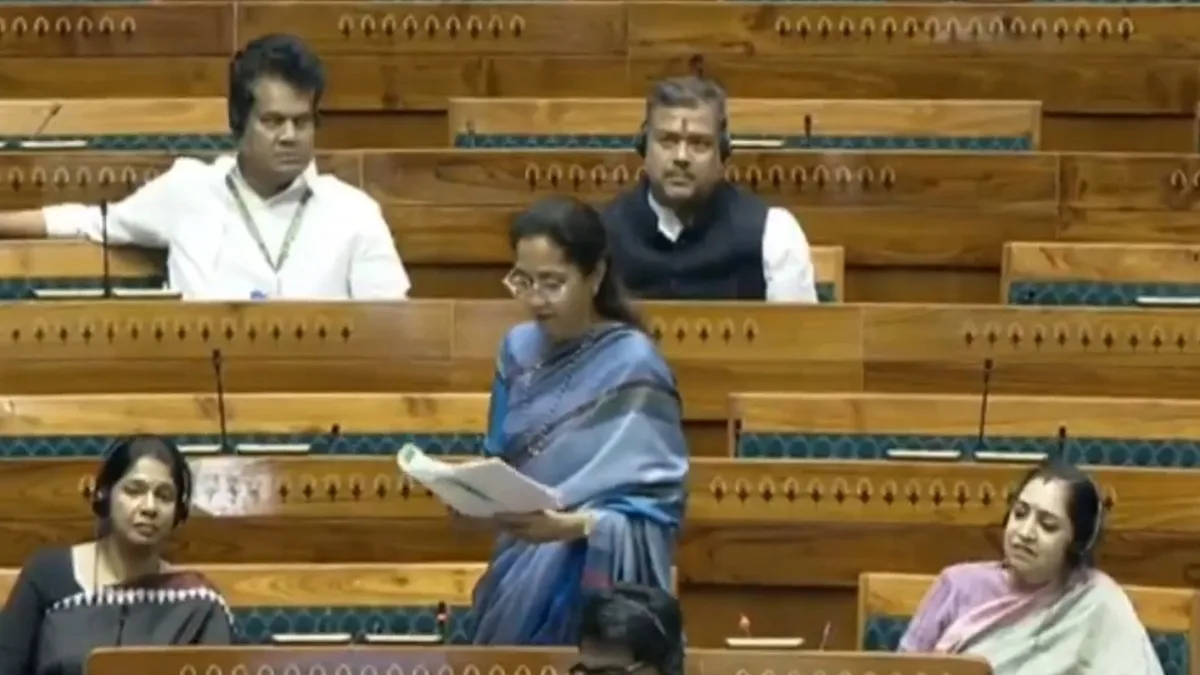
NCP-SCP leader and Opposition INDIA Bloc’s MP Supriya Sule has moved a private members’ bill in the Lok Sabha that proposes granting employees the right to refuse to take work-related calls and emails once official working hours are completed. Although unlikely to clear the House since the Opposition doesn’t have the majority, the Right to Disconnect Bill, 2025, seeks to create an Employees’ Welfare Authority.
The bill says that employees should not be forced to take calls after working hours or on holidays. It seeks to grant them immunity from disciplinary action if they refuse calls and emails outside their official working hours.
Advertisement
Key provisions of the Right to Disconnect Bill, 2025
As per the provisions of the Right to Disconnect Bill, 2025, which Sule introduced in the Lok Sabha on December 1, employees are entitled to disconnect from office-related communication after working hours.
As per the provisions, employees will not face any disciplinary action for refusing to respond to calls, messages, and emails after working hours. This will apply to all forms of communication, including phone calls, text messages, emails, and video calls.
While the bill seeks to protect employees’ rights and grants them better work-life balance opportunities, it also has a provision for employers to reach out to their employees in case of genuine emergencies.
Employers, as per the bill, may be able to contact employees during pre-negotiated timings. However, the timings must be agreed upon by both sides. In case an employee is working beyond official working hours, he/she would be entitled to overtime pay.
If employers violate the rules, the bill also proposes a penalty of 1 per cent of the total employee remuneration.
Why Sule introduced the Right to Disconnect Bill, 2025
Presenting the bill, Sule argued that today’s digital culture has created an atmosphere of constant availability, severely affecting work-life balance. “The Right to Disconnect Bill, 2025, provides every employee the right to disconnect from work-related electronic communications. It fosters a better quality of life and a healthier work-life balance by reducing the burnout caused by today’s digital culture,” she said.
Citing various studies, the bill says that this culture of constant availability has led to sleep deprivation, stress, and emotional exhaustion. It has also contributed to telepressure, a kind of pressure to respond immediately, and info-obesity, a term associated with the habit of constant monitoring of work messages.